
Retail Analytics Thailand: From Optical Trade Events to Store-Level Decisions
WOF Bangkok put optical product discovery in focus from 9 to 11 October 2026 at IMPACT Exhibition Center in Bangkok. For retail leaders considering retail analytics Thailand programmes, the useful question after the event is not which display drew the most trade-floor attention. It is how a promising frame collection or display concept should earn its place across a store estate.
The ASEAN International Optics Expo, branded WOF Bangkok, is now finished. The organiser’s published schedule and post-event reports confirm the dates and venue. Its coverage describes frames, sunglasses, lenses, product displays and buyer-supplier activity. These are relevant inputs for optical retail sourcing, but they are not evidence of customer demand in a Thai store.
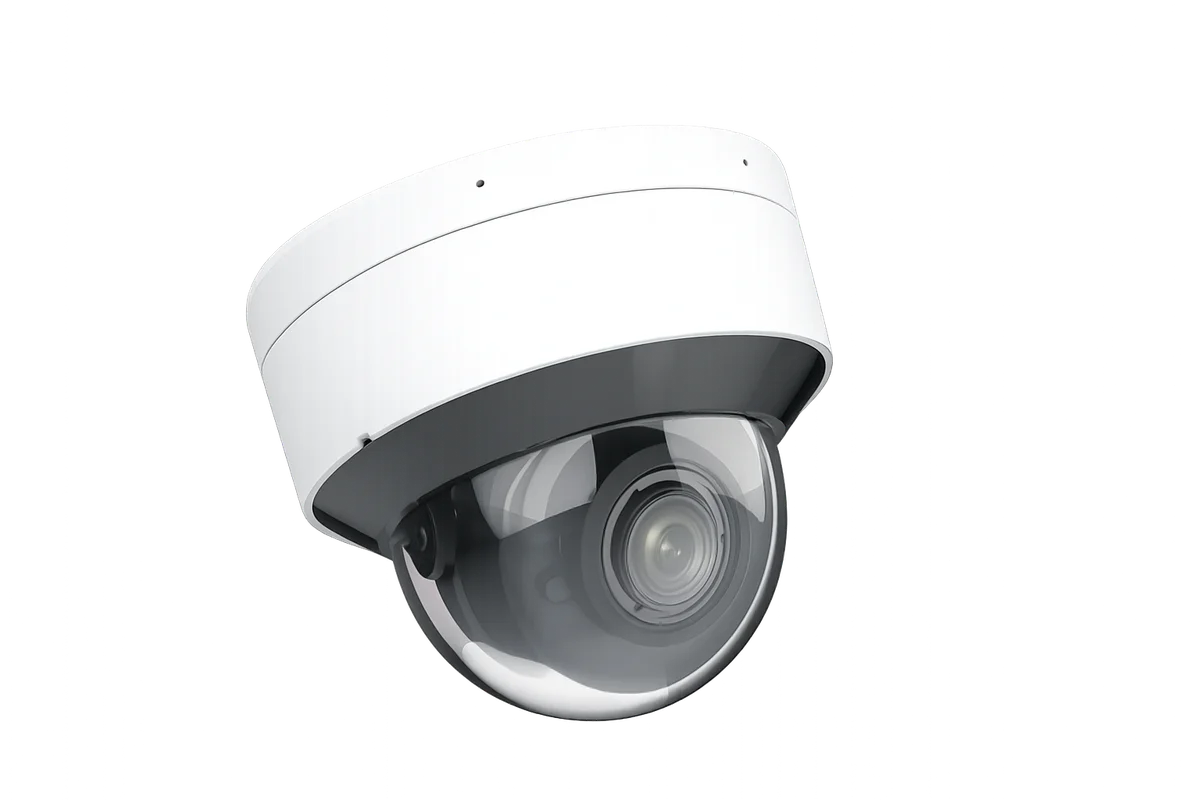
xTrack
xTrack helps retail teams make better-informed store decisions.
Learn More →That distinction matters. Trade events create sourcing hypotheses. Store evidence decides rollout.
Retail analytics Thailand turns event interest into a testable retail decision
A trade event helps buyers compare ranges, materials, display ideas and supplier propositions in one place. It can sharpen a category team’s view of what may suit its brand and customers. Yet the event environment is designed for discovery. Visitors arrive with professional intent, displays are concentrated, and discussions happen outside the conditions of an ordinary store visit.
A collection that attracts buyer discussion may still face practical questions at store level. Does it catch customers’ attention when displayed alongside the existing assortment? Do customers handle or select the frames? Does that interest progress to an order? Does performance differ between a Bangkok flagship, a shopping-centre branch and a neighbourhood store? Do collection and adjustment visits create an operational burden that changes the rollout decision?
These questions cannot be answered by enthusiasm alone. They require a controlled pilot with clear event definitions, comparable observation windows and a decision rule established before results are reviewed.
Why retail analytics Thailand needs an optical-specific funnel
Optical retail does not have a single conversion event. It has several stages that must remain separate if the data is to support a credible assortment decision.
1. Eligible store visits
Define which visits belong in the analysis. A chain might exclude staff movements, known delivery activity and visits made solely for collection or after-sales support. The exact exclusions should be documented before the pilot begins and applied consistently across test and comparison periods.
2. Display interest
Entrance counts do not establish interest in a particular collection. The pilot therefore needs a separately defined signal. Depending on the operating model, this could be a structured staff observation, interaction with a designated display area, or another agreed retail-only measure. The method must be practical, consistent and disclosed in the pilot record.
3. Frame handling or selection
Looking at a display is not the same as handling a frame, and handling a frame is not necessarily a selection. Teams should specify the event they intend to record. If staff record a shortlist or fitting-stage selection, the process should be simple enough to use reliably without interrupting service.
4. Orders
An order is a commercial event supported by POS or order-management data. It should be attributed according to an agreed rule, with cancellations, exchanges and other relevant exceptions handled consistently. Orders should not be presented as interchangeable with frame selections.
5. Collection visits
A later visit to collect a completed order is operationally different from a new shopping visit. Counting it as fresh demand would distort the funnel. Collection activity may still matter for staffing and service planning, but it needs its own label and denominator.
6. After-sales adjustment visits
Adjustments are another distinct visit purpose. A higher level of adjustment activity may reflect product, fitting or service considerations worth investigating, but it does not prove a cause on its own. The pilot should record the agreed event and use it as a review signal rather than make an unsupported diagnosis.
This separation protects the decision from false equivalence. Display interest, frame selection, orders, collection visits and adjustments describe different moments. Combining them into one broad engagement number may look tidy, but it makes the result less useful to merchandising and operations leaders.
What POS data proves, and what it leaves unanswered
POS and order systems provide the commercial backbone of an optical assortment review. They can show whether a designated collection generated orders, the value and composition of those orders where the retailer’s data permits, and how recorded sales compare across stores and periods.
What they cannot establish alone is why an outcome occurred.
Low order volume could reflect weak store traffic, limited visibility, low display interest, a poor match between the assortment and local demand, availability constraints or inconsistent staff execution. Strong order volume may be encouraging, but without an eligible-visit denominator it does not show how efficiently the store converted the opportunity presented during the test.
This is where eyewear store traffic analytics and defined in-store events add context. The aim is not to identify individuals or connect retail activity with medical records. It is to compare aggregate retail stages using clear operational definitions. A chain should also avoid attempting to match people across separate visits unless it has a distinct, lawful and justified process outside the scope of this store analytics pilot.
The most useful analysis aligns sources without pretending they measure the same thing. Traffic data describes eligible visit opportunity. A defined display signal describes attention to the test area. Staff or operational records may describe frame selection. POS or order data establishes orders. Service records can distinguish collection and adjustment activity. Each source answers a narrower question, and together they create a more defensible rollout view.
Designing a representative optical store pilot
A credible pilot begins with the decision. For example: should the chain roll out a new frame collection and display concept, revise the proposition for another test, or stop further deployment?
From there, the team can select a small set of stores that represents the formats affected by the decision. This is not a request to find stores most likely to succeed. The group should reflect meaningful operating differences such as store format, location type, typical traffic pattern, assortment breadth and available display space. If a format will be included in rollout, it should be represented or explicitly excluded from the decision scope.
The pilot should include a pre-period and a test period, but there is no universal duration. Timing should reflect normal demand patterns, expected order cycles, operational constraints and the need for enough complete data to assess the agreed criteria. Comparable days and hours matter more than adopting an arbitrary standard length.
Before launch, record:
the collection and display configuration being tested
participating stores and the formats they represent
eligible visit rules and documented exclusions
the precise definition and collection method for display interest
the distinction between frame handling, selection and an order
how cancellations, exchanges, stock-outs and unavailable variants are treated
how collection and after-sales adjustment visits are classified
comparable operating windows and known local disruptions
minimum data-completeness requirements
named owners for data review and operational feedback
Execution should be monitored without changing definitions halfway through the test. If a definition proves unworkable, document the problem and decide whether the affected data can still support the original question. Quietly changing a rule after seeing early results makes comparisons difficult to defend.
An illustrative retail analytics Thailand decision view
Consider a hypothetical pilot across four representative stores. The following numbers are illustrative only and are not a benchmark or a claim about typical optical retail performance.
Suppose the test records 2,400 eligible visits, 360 defined display-interest events, 150 frame selections and 72 completed orders associated with the pilot collection. The simple stage rates would be 15 per cent from eligible visits to display interest, about 41.7 per cent from display interest to frame selection, and 48 per cent from frame selection to completed orders.
Those figures should not be collapsed into a claim that the display caused 72 orders. They are a structured view of recorded stages. The team would still need to examine differences by store format, compare the test with suitable pre-period or comparison evidence, review availability and execution, and check whether collection or after-sales activity changes the operational assessment.
The aggregate can also conceal variation. One store may generate fewer selections but a higher share of completed orders. Another may attract considerable display interest without enough relevant stock. A third may perform well commercially but require more staff handling than the operating model can sustain. Optical retail analytics Thailand should make these trade-offs visible rather than force every store into a single estate-wide average.
Set acceptance criteria before deciding on rollout
A pilot becomes useful when the team agrees in advance what evidence is required for a decision. Acceptance criteria should cover more than a headline sales result.
Data completeness
Are eligible visits, defined display events, selections and orders recorded consistently enough to compare? Were exclusions applied as agreed? Are missing intervals or store-level gaps material to the conclusion?
Definition stability
Did the meaning of each event remain stable throughout the pilot? Could store teams apply the definitions without repeated reinterpretation? If two stores counted selection differently, an estate-wide comparison may not be valid.
Performance by store format
Does the collection show a credible case across the formats included in the proposed rollout, or only in a particular environment? A format-specific rollout may be more responsible than an all-store decision.
Eligible visits to orders
Does the complete funnel show that the commercial outcome is supported by sufficient opportunity and meaningful progression? Review each stage rather than attributing every difference to traffic or conversion.
Operational burden
Can staff maintain the display, record essential events and support frame selection without an impractical process? A measurement approach that cannot survive ordinary operations is not ready for wider deployment.
After-sales implications
Do collection and adjustment patterns raise questions that require further review? These should inform the operating decision without being treated as clinical evidence or as proof of a product issue.
Decision integrity
Were exclusions, exceptions and local disruptions documented? Did the team follow the decision rule set before results were available? A pilot should be able to support a decision even when that decision is to revise or stop.
The result can then lead to one of several governed actions: proceed for the represented formats, revise the assortment or display and test again, limit rollout to a defined store type, or reject the proposal. This is stronger than treating rollout as the default and searching afterward for evidence to justify it.
From WOF Bangkok inspiration to disciplined execution
WOF Bangkok offered a timely setting for optical product discovery and industry exchange. It did not establish which collection or display concept will succeed in Thai stores, and no public source reviewed for this article provides that evidence.
Retail leaders can preserve the value of event discovery by translating it into a precise store question. Define the optical assortment funnel. Establish what each system can and cannot prove. Select representative stores. Record exclusions. Set acceptance criteria before launch. Then use the pilot to decide where rollout is justified, where the proposition needs revision and where the hypothesis should end.
That is the practical role of retail analytics Thailand in post-event planning: not to turn trade-floor attention into a forecast, but to give merchandising, operations and procurement teams a common evidence base for the next decision.
Planning an optical assortment pilot in Thailand? Define the retail decision, measurement stages and acceptance criteria before chain rollout. xTrack helps retail teams make better-informed store decisions. Learn more at /products/xtrack-dome or discuss your pilot at /contact.
Frequently Asked Questions
What is retail analytics Thailand in an optical store context?
It is the use of clearly defined, aggregate retail data to support decisions in Thai stores. For an optical assortment pilot, that can include eligible visits, defined display interest, frame selection, orders, collection visits and after-sales adjustments. The stages should remain distinct and should not be connected to medical records or person-level identity.
Can footfall analytics Thailand show whether a frame collection is popular?
Footfall data can establish the eligible visit opportunity when exclusions are clearly defined. It cannot show interest in a particular display or collection by itself. Retailers need a separate, consistent signal for display interest and additional records for selection and orders.
Why is POS data not enough for an optical collection rollout decision?
POS data establishes recorded commercial outcomes, but it does not explain the opportunity or the steps before an order. Combining POS evidence with aggregate traffic context and clearly defined retail events helps teams investigate whether a result differs by display engagement, selection, store format, availability or execution.
How long should an optical retail analytics pilot run?
There is no universal duration. The period should suit the decision, demand pattern, order cycle and operating conditions. It should include comparable windows and enough complete data to assess pre-agreed acceptance criteria.
What should determine whether a collection rolls out across the chain?
The decision should consider data completeness, stable definitions, results by store format, progression from eligible visits to orders, operational burden, documented exceptions and after-sales implications. Teams should agree these criteria before reviewing the result.
Sources
- ASEAN International Optics Expo official schedule, checked 20 October 2026
- Official organiser report, “2026 ASEAN Int’l Optics Expo Kicked off in Bangkok,” published 9 October 2026
- Official organiser news index with post-event reports dated 14–15 October 2026, checked 20 October 2026
- Euromonitor, “Eyewear in Thailand,” public summary, published June 2026
Related Articles
Continue exploring insights from xRetail Solutions

Retail analytics Indonesia: Reading Footwear Store Visits Beyond the Fitting Bench
October 29, 2026
Retail Analytics Philippines: Staffing Toy Stores for Family Visits
October 27, 2026
Retail Analytics Vietnam: Measuring Replenishment and Advice-Led Pet Store Visits
October 22, 2026Ready to Transform Your Retail Operations?
Explore how xRetail Solutions connects shopper intelligence, resilient store networks, and unified operations visibility for modern retail teams.
Contact Our Team